Buy virtualearth.eu ?
We are moving the project
virtualearth.eu .
Are you interested in purchasing the domain
virtualearth.eu ?
domain@kv-gmbh.de · 0541-91531010
Buy virtualearth.eu ?
What is the difference between self-pollination and cross-pollination?
Self-pollination occurs when pollen from the same plant fertilizes the ovules within the same flower or between different flowers on the same plant. This can happen through the transfer of pollen by wind, water, or self-pollinating mechanisms. On the other hand, cross-pollination involves the transfer of pollen from the male reproductive organ of one plant to the female reproductive organ of another plant of the same species. This process promotes genetic diversity and can result in stronger, more resilient offspring. **
What are the advantages and disadvantages of self-pollination in plants?
Self-pollination in plants has advantages such as ensuring reproductive success even in isolated or small populations, as it does not rely on external agents like wind or insects for pollination. This can lead to faster and more efficient reproduction. However, self-pollination can also result in reduced genetic diversity within a population, making plants more susceptible to diseases and environmental changes. It can also limit the potential for beneficial genetic variations to arise through cross-pollination. **


Similar search terms for Self-pollination
Top-Angebote
Products related to Self-pollination:
-
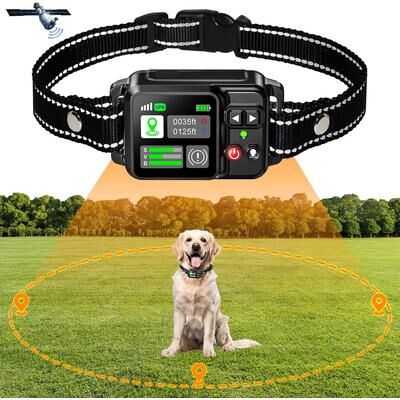
PetsAreLife GPS Wireless Dog Fencing System, Electric Dog Fence With GPS Electric Satellite Technology, Electric Pet Fencing System GPS Wireless Dog Fencing System, Electric Dog Fence With GPS Electric Satellite Technology, Electric Pet Fencing SystemKeep your best friend safe, happy, and free to roamwithout ever worrying about escapes. Our GPS Wireless Dog Fencing System combines cuttingedge satellite positioning with reliable electric borders to give you complete control over your pets play...114,99 $*Shipping: 0,00 $Secure redirect to the provider
-
Inspire Picks Cozy Therm Self Warming Cat Mat With Heat Retention Technology mGive your pet a warm and cozy place to relax with this self warming cat mat designed to provide comfort in every season. Featuring heatretention technology, this soft pet bed pad reflects your pet's natural body warmth to create a comfortable...34,93 $*Shipping: 0,00 $Secure redirect to the provider
-
eufy Omni S2 Robot Vacuum & Mop 30,000Pa, HydroJet 2.0 Self‑Cleaning, AI Navigation, All‑in‑One StationUltra-Powerful 30,000 Pa AeroTurbo Deep Cleaning: Experience the ultimate in Robot Vacuum deep cleaning with AeroTurbo 2.0. Multi-cyclone separation technology, 30,000 Pa of pressure, and 100 AW of suction power combine to deliver superior cleaning for longer, keeping your filter clean for up to 90 days and effortlessly removing dirt and debris from carpets and hard floors. Intelligent Carpet Cleaning: Automatically detects rug and carpet thickness, raising itself up to 5 cm to effortlessly tackle deeper piles, lifts the mop to avoid getting them wet, and recognises and avoids tassels so it doesn't get tangled up. HydroJet Deep Cleaning System: Roller mop combines 1.5 kg (15N) of downward pressure, high-speed 360 RPM rotation, and ozonated water for stubborn stain removal and germ elimination, while real-time self-cleaning ensures streak-free mopping. CleanMind AI: 3D MatrixEye 2.0 recognises and avoids over 200 common obstacles, detects more than 40 types of stains (from tomato sauce to pet paw prints), and maps different room types, automatically customising cleaning to maximise efficiency. Navigating tricky obstacles is made easy with detection and avoidance of obstacles as small as 2.5 cm and the effortless crossing of thresholds up to 4.2 cm tall. Edge‑to‑Corner Coverage: Two CornerRover arms automatically extend to capture dirt and debris in the edges and corners of your rooms while the roller mop adjusts in real time to maintain a 5 mm distance from walls, ensuring full floor coverage. 12‑in‑1 Hands-Free UniClean Station: Enjoy truly hands-free cleaning with an All-in-One Station. The station uses smart dirt detection and 60°C hot water to wash the mop, dries the mop with hot air, replaces cleaning detergent, collects dust for up to 68 days, and uses ozonated water for disinfection. Automatic Detangling: DuoSpiral detangling brushes automatically prevent pet fur and human hair from clogging up your robot vacuum, ensuring peak performance for longer. No mess, no stress, just a hassle-free cleaning experience. Effortless Cleaning, Customised for Your Home: Built‑in fragrance diffuser keeps your home smelling fresh for up to 120 hours, while the eufy app lets you customise multi‑floor mapping, No‑Go Zones, and cleaning modes for effortless hands-free cleaning. Extended 2-Year Warranty: Every eufy robot vacuum launched in 2026, including this one, now comes with an upgraded 2-year guarantee. That's double our standard coverage, so you can enjoy added peace of mind and reliable cleaning, day after day.1599,00 £*Shipping: 0,00 £Secure redirect to the provider
-
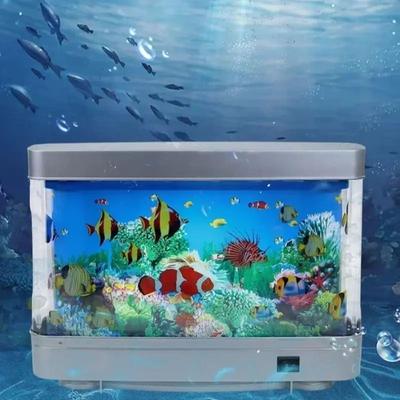
Uplift Essentials Serene Motion Virtual Aquarium Lamp Serene Motion Virtual Aquarium Lamp"Bring the soothing magic of the underwater world to your tabletop with the Serene Motion Virtual Aquarium Lamp. This highdefinition desktop aquarium decorative light uses advanced ""movingpicture"" technology to create a mesmerizing, continuous swim..."82,97 $*Shipping: 0,00 $Secure redirect to the provider


-
What is pollination in flowers?
Pollination in flowers is the process by which pollen from the male reproductive organs (anthers) of a flower is transferred to the female reproductive organs (stigma) of the same or another flower, leading to fertilization and the production of seeds. This transfer of pollen can occur through various means, including wind, water, and animals such as bees, butterflies, and birds. Pollination is essential for the reproduction of flowering plants and the production of fruits and seeds. **
-
How does pollination occur in insects?
Pollination in insects occurs when they visit flowers in search of nectar or pollen. As they feed, they inadvertently brush against the reproductive parts of the flower, picking up pollen grains. When the insect moves to another flower of the same species, some of this pollen is transferred to the stigma, fertilizing the flower. This process allows for the successful reproduction of many plant species with the help of insect pollinators. **
-
What forms of pollination exist in primroses?
Primroses exhibit both self-pollination and cross-pollination. Self-pollination occurs when the plant's own pollen fertilizes its own ovules, leading to genetic uniformity. Cross-pollination, on the other hand, involves the transfer of pollen from one plant to another, promoting genetic diversity. Primroses can be pollinated by insects, such as bees and butterflies, as well as by wind. **
-
How does the pollination of insects occur?
Insect pollination occurs when insects, such as bees, butterflies, and beetles, visit flowers in search of nectar or pollen. As they move from flower to flower, they inadvertently transfer pollen from the male reproductive parts of one flower to the female reproductive parts of another. This transfer of pollen allows for fertilization and the production of seeds and fruits. Insects are attracted to flowers by their colors, scents, and nectar, and in the process of feeding, they facilitate the crucial process of pollination. **

What terms exist for external and internal pollination?
External pollination occurs when pollen is transferred between flowers by an external agent, such as wind, water, or animals. Internal pollination, on the other hand, occurs when pollen is transferred within the same flower or between flowers of the same plant. Both types of pollination are essential for the reproduction of many plant species. **
Do grapes only grow with pollination by bees?
No, grapes do not require pollination by bees to grow. Grapes are self-pollinating plants, meaning they have both male and female reproductive parts within the same flower, allowing them to pollinate themselves. While bees can help with pollination and increase grape yields, they are not necessary for grape production. **
Top-Angebote
Products related to Self-pollination:
-
The Handy Homestead GPS Wireless Dog Fencing System Electric Pet Containment With Satellite Technology GPS Wireless Dog Fencing System Electric Pet Containment With Satellite TechnologyEnsure your dogs safety without the hassle of traditional fencing with our GPS dog fence system. Designed for pet owners who want a reliable, invisible barrier, this system uses advanced GPS Satellite Technology to create a customizable perimeter...109,97 $*Shipping: 0,00 $Secure redirect to the provider
-
Shark PowerDetect Ultra-Light Corded Stick Vacuum with Detect Technology, Self-Cleaning Brushroll, Odor Neutralizer TechnologyThe POWERDETECT ultra-light corded stick vacuum combines the most powerful suction of any Rocket stick vacuum † and intelligence across corded stick vacuums.319,99 $*Shipping: 0,00 $Secure redirect to the provider
-
PetsAreLife GPS Wireless Dog Fencing System, Electric Dog Fence With GPS Electric Satellite Technology, Electric Pet Fencing System GPS Wireless Dog Fencing System, Electric Dog Fence With GPS Electric Satellite Technology, Electric Pet Fencing SystemKeep your best friend safe, happy, and free to roamwithout ever worrying about escapes. Our GPS Wireless Dog Fencing System combines cuttingedge satellite positioning with reliable electric borders to give you complete control over your pets play...114,99 $*Shipping: 0,00 $Secure redirect to the provider
-
Inspire Picks Cozy Therm Self Warming Cat Mat With Heat Retention Technology mGive your pet a warm and cozy place to relax with this self warming cat mat designed to provide comfort in every season. Featuring heatretention technology, this soft pet bed pad reflects your pet's natural body warmth to create a comfortable...34,93 $*Shipping: 0,00 $Secure redirect to the provider
-
What is the difference between self-pollination and cross-pollination?
Self-pollination occurs when pollen from the same plant fertilizes the ovules within the same flower or between different flowers on the same plant. This can happen through the transfer of pollen by wind, water, or self-pollinating mechanisms. On the other hand, cross-pollination involves the transfer of pollen from the male reproductive organ of one plant to the female reproductive organ of another plant of the same species. This process promotes genetic diversity and can result in stronger, more resilient offspring. **
-
What are the advantages and disadvantages of self-pollination in plants?
Self-pollination in plants has advantages such as ensuring reproductive success even in isolated or small populations, as it does not rely on external agents like wind or insects for pollination. This can lead to faster and more efficient reproduction. However, self-pollination can also result in reduced genetic diversity within a population, making plants more susceptible to diseases and environmental changes. It can also limit the potential for beneficial genetic variations to arise through cross-pollination. **
-
What is pollination in flowers?
Pollination in flowers is the process by which pollen from the male reproductive organs (anthers) of a flower is transferred to the female reproductive organs (stigma) of the same or another flower, leading to fertilization and the production of seeds. This transfer of pollen can occur through various means, including wind, water, and animals such as bees, butterflies, and birds. Pollination is essential for the reproduction of flowering plants and the production of fruits and seeds. **
-
How does pollination occur in insects?
Pollination in insects occurs when they visit flowers in search of nectar or pollen. As they feed, they inadvertently brush against the reproductive parts of the flower, picking up pollen grains. When the insect moves to another flower of the same species, some of this pollen is transferred to the stigma, fertilizing the flower. This process allows for the successful reproduction of many plant species with the help of insect pollinators. **
Similar search terms for Self-pollination
-
eufy Omni S2 Robot Vacuum & Mop 30,000Pa, HydroJet 2.0 Self‑Cleaning, AI Navigation, All‑in‑One StationUltra-Powerful 30,000 Pa AeroTurbo Deep Cleaning: Experience the ultimate in Robot Vacuum deep cleaning with AeroTurbo 2.0. Multi-cyclone separation technology, 30,000 Pa of pressure, and 100 AW of suction power combine to deliver superior cleaning for longer, keeping your filter clean for up to 90 days and effortlessly removing dirt and debris from carpets and hard floors. Intelligent Carpet Cleaning: Automatically detects rug and carpet thickness, raising itself up to 5 cm to effortlessly tackle deeper piles, lifts the mop to avoid getting them wet, and recognises and avoids tassels so it doesn't get tangled up. HydroJet Deep Cleaning System: Roller mop combines 1.5 kg (15N) of downward pressure, high-speed 360 RPM rotation, and ozonated water for stubborn stain removal and germ elimination, while real-time self-cleaning ensures streak-free mopping. CleanMind AI: 3D MatrixEye 2.0 recognises and avoids over 200 common obstacles, detects more than 40 types of stains (from tomato sauce to pet paw prints), and maps different room types, automatically customising cleaning to maximise efficiency. Navigating tricky obstacles is made easy with detection and avoidance of obstacles as small as 2.5 cm and the effortless crossing of thresholds up to 4.2 cm tall. Edge‑to‑Corner Coverage: Two CornerRover arms automatically extend to capture dirt and debris in the edges and corners of your rooms while the roller mop adjusts in real time to maintain a 5 mm distance from walls, ensuring full floor coverage. 12‑in‑1 Hands-Free UniClean Station: Enjoy truly hands-free cleaning with an All-in-One Station. The station uses smart dirt detection and 60°C hot water to wash the mop, dries the mop with hot air, replaces cleaning detergent, collects dust for up to 68 days, and uses ozonated water for disinfection. Automatic Detangling: DuoSpiral detangling brushes automatically prevent pet fur and human hair from clogging up your robot vacuum, ensuring peak performance for longer. No mess, no stress, just a hassle-free cleaning experience. Effortless Cleaning, Customised for Your Home: Built‑in fragrance diffuser keeps your home smelling fresh for up to 120 hours, while the eufy app lets you customise multi‑floor mapping, No‑Go Zones, and cleaning modes for effortless hands-free cleaning. Extended 2-Year Warranty: Every eufy robot vacuum launched in 2026, including this one, now comes with an upgraded 2-year guarantee. That's double our standard coverage, so you can enjoy added peace of mind and reliable cleaning, day after day.1599,00 £*Shipping: 0,00 £Secure redirect to the provider
-
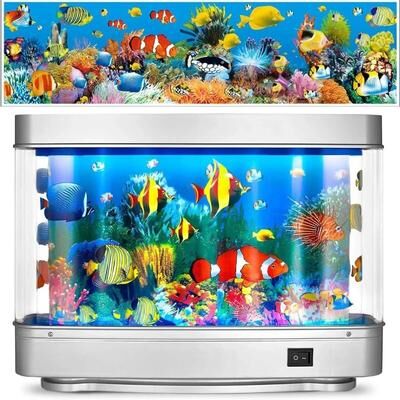
Uplift Essentials Serene Motion Virtual Aquarium Lamp Serene Motion Virtual Aquarium Lamp"Bring the soothing magic of the underwater world to your tabletop with the Serene Motion Virtual Aquarium Lamp. This highdefinition desktop aquarium decorative light uses advanced ""movingpicture"" technology to create a mesmerizing, continuous swim..."82,97 $*Shipping: 0,00 $Secure redirect to the provider
-
Uplift Essentials Virtual Motion Ocean Aquarium Lamp Virtual Motion Ocean Aquarium Lamp"Experience the tranquil beauty of the deep blue without the maintenance of a real tank with the Virtual Motion Ocean Aquarium Lamp. This creative decorative piece uses highdefinition ""moving picture"" technology to simulate a vibrant tropical reef,..."79,97 $*Shipping: 0,00 $Secure redirect to the provider
-
Shark Detect Lift-Away ADV Corded Upright Vacuum with PowerFins Detect, Self-Cleaning Brushroll, and Odor Neutralizer TechnologyThe Shark DETECT Lift-Away corded upright vacuum combines powerful suction with cutting-edge Detect Technology for an ultra-powerful clean.379,99 $*Shipping: 0,00 $Secure redirect to the provider
-
What forms of pollination exist in primroses?
Primroses exhibit both self-pollination and cross-pollination. Self-pollination occurs when the plant's own pollen fertilizes its own ovules, leading to genetic uniformity. Cross-pollination, on the other hand, involves the transfer of pollen from one plant to another, promoting genetic diversity. Primroses can be pollinated by insects, such as bees and butterflies, as well as by wind. **
-
How does the pollination of insects occur?
Insect pollination occurs when insects, such as bees, butterflies, and beetles, visit flowers in search of nectar or pollen. As they move from flower to flower, they inadvertently transfer pollen from the male reproductive parts of one flower to the female reproductive parts of another. This transfer of pollen allows for fertilization and the production of seeds and fruits. Insects are attracted to flowers by their colors, scents, and nectar, and in the process of feeding, they facilitate the crucial process of pollination. **
-
What terms exist for external and internal pollination?
External pollination occurs when pollen is transferred between flowers by an external agent, such as wind, water, or animals. Internal pollination, on the other hand, occurs when pollen is transferred within the same flower or between flowers of the same plant. Both types of pollination are essential for the reproduction of many plant species. **
-
Do grapes only grow with pollination by bees?
No, grapes do not require pollination by bees to grow. Grapes are self-pollinating plants, meaning they have both male and female reproductive parts within the same flower, allowing them to pollinate themselves. While bees can help with pollination and increase grape yields, they are not necessary for grape production. **
* All prices are inclusive of VAT and, if applicable, plus shipping costs. The offer information is based on the details provided by the respective shop and is updated through automated processes. Real-time updates do not occur, so deviations can occur in individual cases. ** Note: Parts of this content were created by AI.