Buy virtualearth.eu ?
We are moving the project
virtualearth.eu .
Are you interested in purchasing the domain
virtualearth.eu ?
domain@kv-gmbh.de · 0541-91531010
Buy virtualearth.eu ?
What are donors and acceptors in chemistry?
In chemistry, donors and acceptors refer to atoms or molecules that donate or accept electrons during a chemical reaction. Donors are species that donate electrons, typically through a lone pair of electrons, while acceptors are species that accept electrons, often through an empty orbital. This concept is important in understanding various chemical reactions, such as acid-base reactions and coordination complexes, where the transfer of electrons between donors and acceptors plays a crucial role in determining the outcome of the reaction. **
What are proton donors and acceptors in chemistry?
Proton donors are substances that can donate a proton (H+) to another substance in a chemical reaction. This typically involves the release of a hydrogen ion. Proton acceptors, on the other hand, are substances that can accept a proton in a chemical reaction, often by forming a covalent bond with the proton. In the context of acid-base reactions, proton donors are referred to as acids, while proton acceptors are referred to as bases. **

Similar search terms for Acceptors
Top-Angebote
Products related to Acceptors:
-
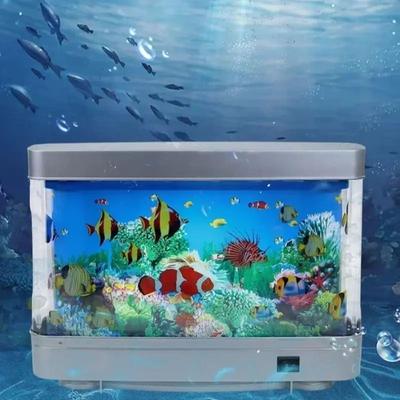
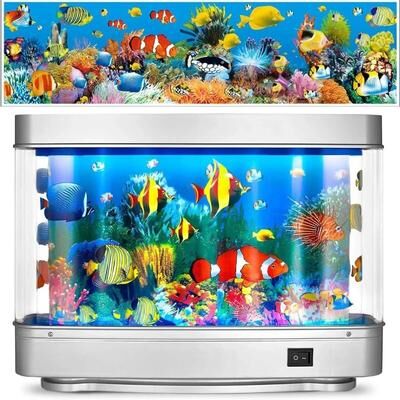
Uplift Essentials Serene Motion Virtual Aquarium Lamp Serene Motion Virtual Aquarium Lamp"Bring the soothing magic of the underwater world to your tabletop with the Serene Motion Virtual Aquarium Lamp. This highdefinition desktop aquarium decorative light uses advanced ""movingpicture"" technology to create a mesmerizing, continuous swim..."82,97 $*Shipping: 0,00 $Secure redirect to the provider
-
Uplift Essentials Virtual Motion Ocean Aquarium Lamp Virtual Motion Ocean Aquarium Lamp"Experience the tranquil beauty of the deep blue without the maintenance of a real tank with the Virtual Motion Ocean Aquarium Lamp. This creative decorative piece uses highdefinition ""moving picture"" technology to simulate a vibrant tropical reef,..."79,97 $*Shipping: 0,00 $Secure redirect to the provider
-
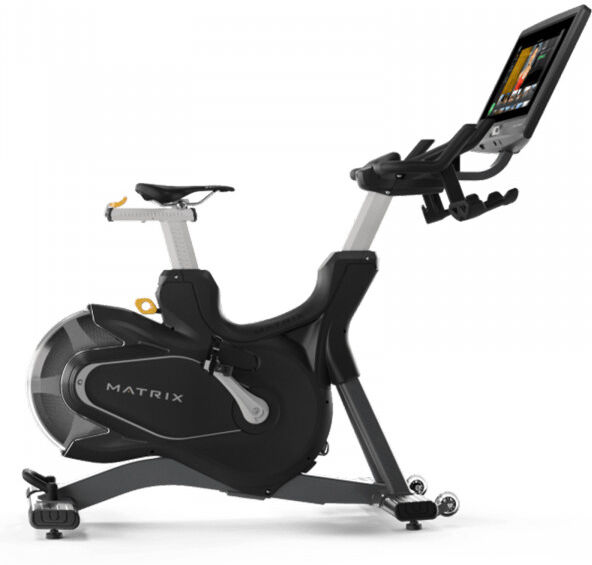
Matrix Virtual Training Cycle CXVTHE MATRIX VIRTUAL TRAINING CYCLE The Matrix Virtual Training Cycle is the purpose built bike for your cardio zone. Whether gym members are challenging themselves with exclusive workouts, enjoying streaming entertainment or taking on an immersive group class, the Virtual Training Cycle will...4794,00 £*Shipping: 0,00 £Secure redirect to the provider
-
Learn About: Mapping Value Pack (paperback) - by Jeanette FerraraStarting from their bedroom, and moving to their home, street, neighborhood, town, state, country, continent, and finally, planet, children will gain a whole new understanding of their place in the world with this engaging picture book series. With...23,76 $*Shipping: 0,00 $Secure redirect to the provider

-
What is meant by proton donors and proton acceptors?
Proton donors are substances that can donate a proton (H+) to another substance. This typically involves the release of a hydrogen ion. Proton acceptors, on the other hand, are substances that can accept a proton from another substance. This typically involves the uptake of a hydrogen ion. In the context of acid-base reactions, proton donors are acids, while proton acceptors are bases. **
-
Why are carboxylic acids proton donors and amines proton acceptors?
Carboxylic acids are proton donors because they contain a highly electronegative oxygen atom that can stabilize the resulting carboxylate anion by delocalizing the negative charge. Amines, on the other hand, are proton acceptors because they contain a lone pair of electrons on the nitrogen atom that can readily accept a proton to form a positively charged ammonium ion. This ability to donate or accept protons is due to the presence of functional groups in these molecules that can easily gain or lose a hydrogen ion in solution. **
-
What are the electron acceptors and electron donors in the reaction in the lead-acid battery?
In the lead-acid battery, the electron acceptor is the lead dioxide (PbO2) at the positive electrode, and the electron donor is the lead (Pb) at the negative electrode. During the discharge process, the lead dioxide at the positive electrode accepts electrons and is reduced to lead sulfate, while the lead at the negative electrode donates electrons and is oxidized to lead sulfate. This electron transfer process generates electrical energy that can be used to power devices. **
-
Will there ever be the same virtual reality technology as in Sword Art Online?
While it is difficult to predict the future of technology, it is unlikely that we will see the exact same virtual reality technology as depicted in Sword Art Online. The concept of a fully immersive virtual world where players can physically feel sensations and emotions is currently beyond our technological capabilities. However, advancements in virtual reality technology are constantly being made, so we may see more sophisticated and immersive VR experiences in the future. **

When was the first Earth satellite launched?
The first Earth satellite, Sputnik 1, was launched on October 4, 1957 by the Soviet Union. **
What types of dishes are there in satellite technology?
In satellite technology, there are primarily two types of dishes used: parabolic dishes and flat panel dishes. Parabolic dishes are curved in shape and are commonly used for satellite TV reception. They are able to focus signals from a specific direction, making them ideal for receiving signals from satellites in geostationary orbit. Flat panel dishes, on the other hand, are flatter and more compact, making them suitable for mobile satellite communication applications such as in vehicles or airplanes. Both types of dishes play a crucial role in receiving and transmitting signals in satellite technology. **
Top-Angebote
Products related to Acceptors:
-
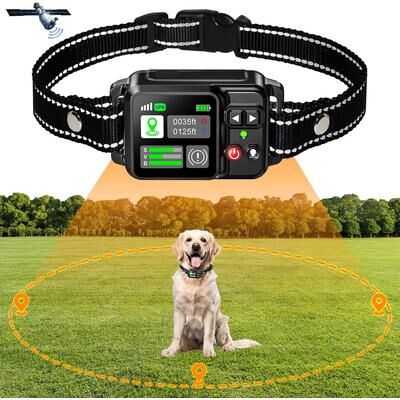
The Handy Homestead GPS Wireless Dog Fencing System Electric Pet Containment With Satellite Technology GPS Wireless Dog Fencing System Electric Pet Containment With Satellite TechnologyEnsure your dogs safety without the hassle of traditional fencing with our GPS dog fence system. Designed for pet owners who want a reliable, invisible barrier, this system uses advanced GPS Satellite Technology to create a customizable perimeter...109,97 $*Shipping: 0,00 $Secure redirect to the provider
-
PetsAreLife GPS Wireless Dog Fencing System, Electric Dog Fence With GPS Electric Satellite Technology, Electric Pet Fencing System GPS Wireless Dog Fencing System, Electric Dog Fence With GPS Electric Satellite Technology, Electric Pet Fencing SystemKeep your best friend safe, happy, and free to roamwithout ever worrying about escapes. Our GPS Wireless Dog Fencing System combines cuttingedge satellite positioning with reliable electric borders to give you complete control over your pets play...114,99 $*Shipping: 0,00 $Secure redirect to the provider
-
Uplift Essentials Serene Motion Virtual Aquarium Lamp Serene Motion Virtual Aquarium Lamp"Bring the soothing magic of the underwater world to your tabletop with the Serene Motion Virtual Aquarium Lamp. This highdefinition desktop aquarium decorative light uses advanced ""movingpicture"" technology to create a mesmerizing, continuous swim..."82,97 $*Shipping: 0,00 $Secure redirect to the provider
-
Uplift Essentials Virtual Motion Ocean Aquarium Lamp Virtual Motion Ocean Aquarium Lamp"Experience the tranquil beauty of the deep blue without the maintenance of a real tank with the Virtual Motion Ocean Aquarium Lamp. This creative decorative piece uses highdefinition ""moving picture"" technology to simulate a vibrant tropical reef,..."79,97 $*Shipping: 0,00 $Secure redirect to the provider
-
What are donors and acceptors in chemistry?
In chemistry, donors and acceptors refer to atoms or molecules that donate or accept electrons during a chemical reaction. Donors are species that donate electrons, typically through a lone pair of electrons, while acceptors are species that accept electrons, often through an empty orbital. This concept is important in understanding various chemical reactions, such as acid-base reactions and coordination complexes, where the transfer of electrons between donors and acceptors plays a crucial role in determining the outcome of the reaction. **
-
What are proton donors and acceptors in chemistry?
Proton donors are substances that can donate a proton (H+) to another substance in a chemical reaction. This typically involves the release of a hydrogen ion. Proton acceptors, on the other hand, are substances that can accept a proton in a chemical reaction, often by forming a covalent bond with the proton. In the context of acid-base reactions, proton donors are referred to as acids, while proton acceptors are referred to as bases. **
-
What is meant by proton donors and proton acceptors?
Proton donors are substances that can donate a proton (H+) to another substance. This typically involves the release of a hydrogen ion. Proton acceptors, on the other hand, are substances that can accept a proton from another substance. This typically involves the uptake of a hydrogen ion. In the context of acid-base reactions, proton donors are acids, while proton acceptors are bases. **
-
Why are carboxylic acids proton donors and amines proton acceptors?
Carboxylic acids are proton donors because they contain a highly electronegative oxygen atom that can stabilize the resulting carboxylate anion by delocalizing the negative charge. Amines, on the other hand, are proton acceptors because they contain a lone pair of electrons on the nitrogen atom that can readily accept a proton to form a positively charged ammonium ion. This ability to donate or accept protons is due to the presence of functional groups in these molecules that can easily gain or lose a hydrogen ion in solution. **
Similar search terms for Acceptors
-
Matrix Virtual Training Cycle CXVTHE MATRIX VIRTUAL TRAINING CYCLE The Matrix Virtual Training Cycle is the purpose built bike for your cardio zone. Whether gym members are challenging themselves with exclusive workouts, enjoying streaming entertainment or taking on an immersive group class, the Virtual Training Cycle will...4794,00 £*Shipping: 0,00 £Secure redirect to the provider
-
Learn About: Mapping Value Pack (paperback) - by Jeanette FerraraStarting from their bedroom, and moving to their home, street, neighborhood, town, state, country, continent, and finally, planet, children will gain a whole new understanding of their place in the world with this engaging picture book series. With...23,76 $*Shipping: 0,00 $Secure redirect to the provider
-
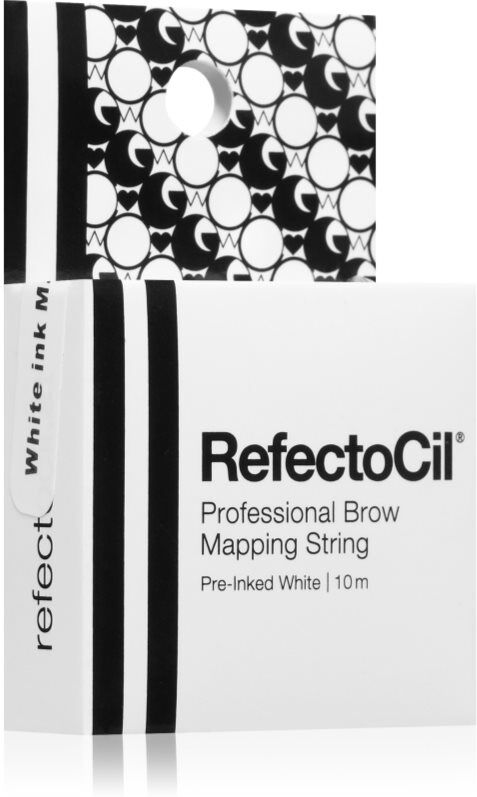
RefectoCil Professional Brow Mapping String stencils for eyebrows 10 mRefectoCil Professional Brow Mapping String, 10 m, Eyelash Care and Styling for Women, Nothing frames your face like perfectly shaped eyebrows. RefectoCil Professional Brow Mapping String will let you quickly shape your brows the way you like and tame unruly hairs. Simply put, it will help give your brows the desired shape, and underscore the natural beauty of your facial features. Characteristics: ideal for the area under and above your brows provides precise eyebrow styling in moments ensures professional results How to use: Use according to the instructions included.10,20 £*Shipping: 3,99 £Secure redirect to the provider
-
soundcore Nebula SpaceFlow AI Mapping Projection Accessory for Nebula X1 Pro & X1AI-Powered 3D Mapping, No Expertise Needed: SpaceFlow transforms your Nebula X1 Pro or X1 into a full AI mapping system—precision camera hardware and spatial recognition algorithms automatically build an accurate 3D model of your wall in minutes, fitting every animation perfectly to any surface shape or angle, without professional modeling Nebula Space — AI-Powered Creator Platform:The ultimate creative tool is your imagination. Simply describe any scene — a starfield, a forest at dawn, a futuristic city — and AI instantly transforms your words into a stunning 3D projection on your wall. Text-to-scene. Zero learning curve. Infinite possibilities 100+ Ready-to-Use Templates for Every Holiday and Occasion: Browse an ever-growing official library of professionally designed templates in the Nebula Connect app — covering holidays, celebrations, and everyday ambience, each paired with matching themed audio Free Mode or AI Fusion Mode — You Choose: Masking Templates are free and project within an auto-scanned boundary. AI Fusion Templates use Sparks to let AI analyze your wall's shape and texture—generating content that naturally blends into every surface detail Set Up in Minutes, Not Weeks: Traditional 3D mapping requires 16+ days of specialist work. SpaceFlow completes the entire process in under 10 minutes—no specialist software, extra equipment, or technical expertise required Designed for Nebula X1 Pro & X1: SpaceFlow is an AI mapping accessory exclusively compatible with Nebula X1 Pro and Nebula X1 projectors—not a standalone projector. More compatible models coming soon Update Firmware for the Best Experience: Before first use, update to the latest firmware for optimal performance and the newest AI mapping features. Go to Settings > Firmware Version > Update in the Nebula Connect app599,00 £*Shipping: 0,00 £Secure redirect to the provider
-
What are the electron acceptors and electron donors in the reaction in the lead-acid battery?
In the lead-acid battery, the electron acceptor is the lead dioxide (PbO2) at the positive electrode, and the electron donor is the lead (Pb) at the negative electrode. During the discharge process, the lead dioxide at the positive electrode accepts electrons and is reduced to lead sulfate, while the lead at the negative electrode donates electrons and is oxidized to lead sulfate. This electron transfer process generates electrical energy that can be used to power devices. **
-
Will there ever be the same virtual reality technology as in Sword Art Online?
While it is difficult to predict the future of technology, it is unlikely that we will see the exact same virtual reality technology as depicted in Sword Art Online. The concept of a fully immersive virtual world where players can physically feel sensations and emotions is currently beyond our technological capabilities. However, advancements in virtual reality technology are constantly being made, so we may see more sophisticated and immersive VR experiences in the future. **
-
When was the first Earth satellite launched?
The first Earth satellite, Sputnik 1, was launched on October 4, 1957 by the Soviet Union. **
-
What types of dishes are there in satellite technology?
In satellite technology, there are primarily two types of dishes used: parabolic dishes and flat panel dishes. Parabolic dishes are curved in shape and are commonly used for satellite TV reception. They are able to focus signals from a specific direction, making them ideal for receiving signals from satellites in geostationary orbit. Flat panel dishes, on the other hand, are flatter and more compact, making them suitable for mobile satellite communication applications such as in vehicles or airplanes. Both types of dishes play a crucial role in receiving and transmitting signals in satellite technology. **
* All prices are inclusive of VAT and, if applicable, plus shipping costs. The offer information is based on the details provided by the respective shop and is updated through automated processes. Real-time updates do not occur, so deviations can occur in individual cases. ** Note: Parts of this content were created by AI.