Buy virtualearth.eu ?
We are moving the project
virtualearth.eu .
Are you interested in purchasing the domain
virtualearth.eu ?
domain@kv-gmbh.de · 0541-91531010
Buy virtualearth.eu ?
How do you lay satellite cables?
Satellite cables are typically laid by first determining the optimal path for the cables to ensure minimal interference and maximum signal strength. Once the path is determined, the cables are laid out and secured using cable ties or clamps to prevent movement or damage. The cables are then connected to the satellite dish and routed to the desired location, such as a building or a receiver. It is important to follow safety guidelines and regulations when laying satellite cables to ensure proper installation and functionality. **
How can satellite reception be achieved without cables?
Satellite reception can be achieved without cables through the use of satellite dishes and receivers. The satellite dish is positioned to receive signals from the satellite in space, and then the signals are transmitted wirelessly to the receiver inside the home. The receiver then decodes the signals and converts them into a format that can be displayed on a television or other device. This wireless transmission allows for satellite reception without the need for physical cables connecting the satellite dish to the receiver. **


Similar search terms for Cables
Top-Angebote
Products related to Cables:
-
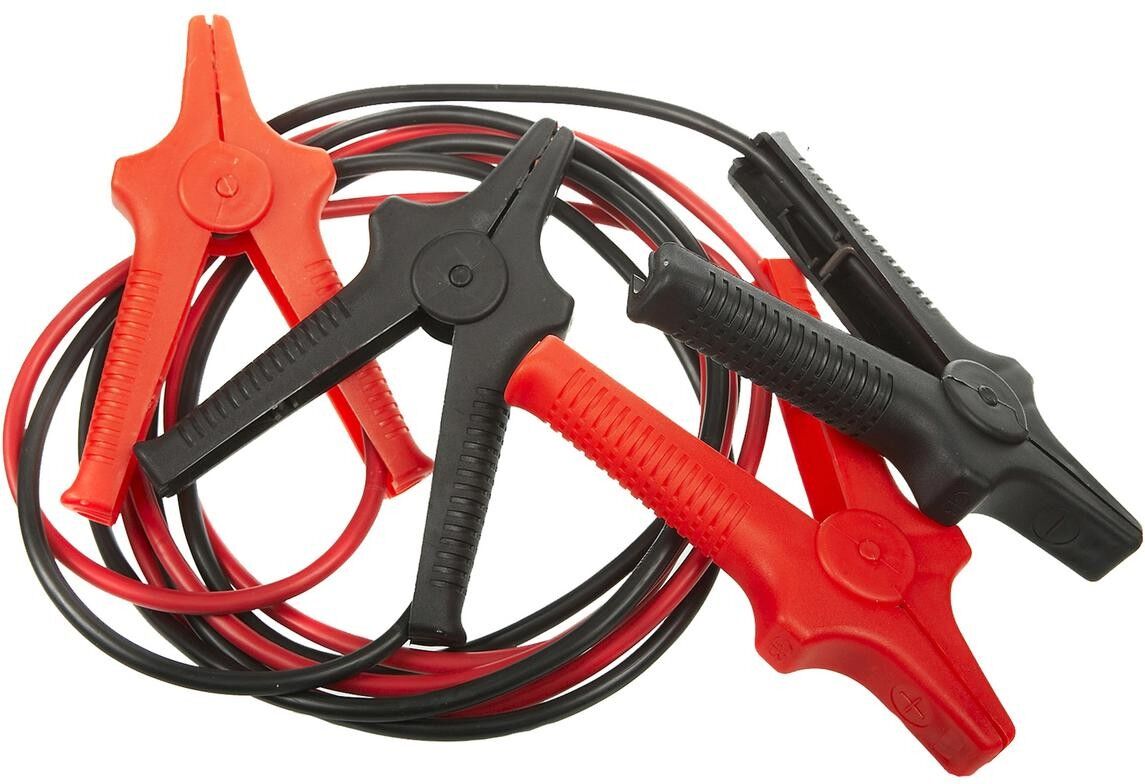
XL 551032 Jumper cablesLength [m]: 3.5; Material: Copper; for petrol engines to capacity [ccm]: 5500; for diesel engines to capacity [ccm]: 3000; Insulated: ; Supplementary Article / Supplementary Info Info 2: with storage bag, with overvoltage protection; Vehicle type: Passenger cars; Cable Cross Section [mm²]: 25; suited for engine type: Diesel, Petrol Engine62,49 £*Shipping: 8,45 £Secure redirect to the provider
-
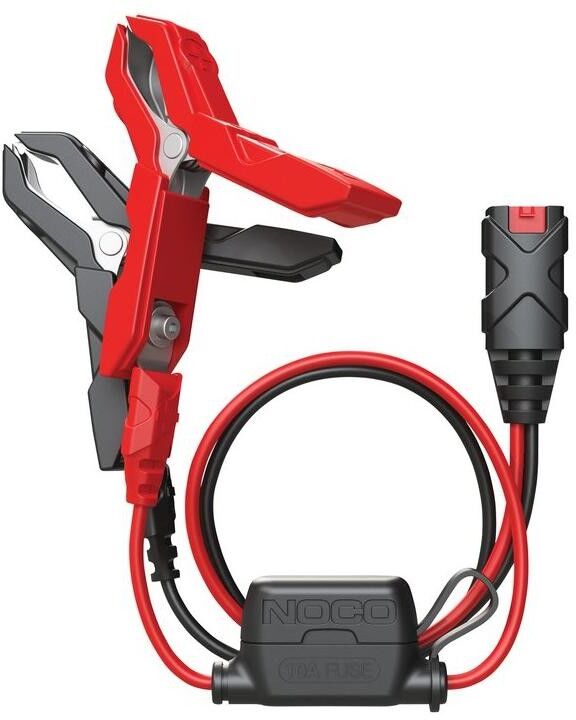
NOCO GBC010 Jumper cablesVersion: Accessory Kit; Quantity: 1; for starter battery voltage (DC) [V]: 12; Product line: GBC010; Length [cm]: 61; Length incl. plug [cm]: 78.8; Supplementary Article / Supplementary Info Info 2: with cigarette lighter plug; Registration Type: FCC approved; Adapter enclosed: XGC Female 12V; Manufacturer Restriction: for GB70 GB150 GB25026,99 £*Shipping: 8,45 £Secure redirect to the provider


-
How many cables are in the satellite socket?
There are typically two cables in a satellite socket: one for input and one for output. The input cable connects the satellite dish to the satellite receiver, while the output cable connects the receiver to the TV. These cables are essential for transmitting the satellite signal from the dish to the TV for viewing. **
-
How are the Logitech Z906 satellite speakers with cables?
The Logitech Z906 satellite speakers come with long cables that allow for flexible placement around the room. The cables are of good quality and are durable, ensuring a reliable connection between the speakers and the main unit. Overall, the satellite speakers with cables provide a convenient setup and deliver excellent sound quality for an immersive audio experience. **
-
Is it possible to connect thick and thin satellite cables?
Yes, it is possible to connect thick and thin satellite cables using adapters or connectors specifically designed for this purpose. These adapters help bridge the size difference between the two cables and ensure a secure and reliable connection. It is important to use high-quality adapters to maintain the integrity of the signal transmission and prevent any loss of data or signal quality. **
-
'Antennen oder Sat-Kabel?' translates to 'Antennas or satellite cables?'
"Antennen oder Sat-Kabel?" is a question in German that translates to "Antennas or satellite cables?" This question is asking whether one should use antennas or satellite cables for receiving television signals. The choice between antennas and satellite cables depends on factors such as location, signal quality, and personal preference. Antennas are typically used for receiving over-the-air signals, while satellite cables are used for receiving signals from satellites. **


Can satellite and LAN cables be installed through a conduit?
Yes, satellite and LAN cables can be installed through a conduit. Conduits are often used to protect and organize cables, and they can accommodate a variety of cable types, including satellite and LAN cables. Using a conduit can help to keep the cables safe from damage and interference, and it can also make it easier to manage and maintain the cables. However, it's important to ensure that the conduit is properly sized and installed to accommodate the specific cables being used. **
What is the difference between copper cables, twisted-pair cables, fiber optic cables, and coaxial cables?
Copper cables are made of copper wire and are commonly used for transmitting electrical signals. Twisted-pair cables consist of pairs of insulated copper wires twisted together, which helps reduce electromagnetic interference. Fiber optic cables use thin strands of glass or plastic to transmit data using light pulses, allowing for high-speed and long-distance transmission. Coaxial cables have a central conductor surrounded by an insulating layer, a conductive shield, and an outer insulating layer, and are commonly used for cable television and internet connections. Each type of cable has its own advantages and is used for different purposes based on their unique characteristics. **
Top-Angebote
Products related to Cables:
-
XL 551030 Jumper cablesLength [m]: 2.5; Material: Copper; for petrol engines to capacity [ccm]: 1500; Insulated: ; Supplementary Article / Supplementary Info Info 2: with storage bag, with overvoltage protection; Vehicle type: Passenger cars; Cable Cross Section [mm²]: 10; suited for engine type: Petrol Engine29,99 £*Shipping: 8,45 £Secure redirect to the provider
-
XL 551031 Jumper cablesLength [m]: 3; Material: Copper; for petrol engines to capacity [ccm]: 2500; Insulated: ; Supplementary Article / Supplementary Info Info 2: with storage bag, with overvoltage protection; Vehicle type: Passenger cars; Cable Cross Section [mm²]: 16; suited for engine type: Petrol Engine41,99 £*Shipping: 8,45 £Secure redirect to the provider
-
XL 551032 Jumper cablesLength [m]: 3.5; Material: Copper; for petrol engines to capacity [ccm]: 5500; for diesel engines to capacity [ccm]: 3000; Insulated: ; Supplementary Article / Supplementary Info Info 2: with storage bag, with overvoltage protection; Vehicle type: Passenger cars; Cable Cross Section [mm²]: 25; suited for engine type: Diesel, Petrol Engine62,49 £*Shipping: 8,45 £Secure redirect to the provider
-
How do you lay satellite cables?
Satellite cables are typically laid by first determining the optimal path for the cables to ensure minimal interference and maximum signal strength. Once the path is determined, the cables are laid out and secured using cable ties or clamps to prevent movement or damage. The cables are then connected to the satellite dish and routed to the desired location, such as a building or a receiver. It is important to follow safety guidelines and regulations when laying satellite cables to ensure proper installation and functionality. **
-
How can satellite reception be achieved without cables?
Satellite reception can be achieved without cables through the use of satellite dishes and receivers. The satellite dish is positioned to receive signals from the satellite in space, and then the signals are transmitted wirelessly to the receiver inside the home. The receiver then decodes the signals and converts them into a format that can be displayed on a television or other device. This wireless transmission allows for satellite reception without the need for physical cables connecting the satellite dish to the receiver. **
-
How many cables are in the satellite socket?
There are typically two cables in a satellite socket: one for input and one for output. The input cable connects the satellite dish to the satellite receiver, while the output cable connects the receiver to the TV. These cables are essential for transmitting the satellite signal from the dish to the TV for viewing. **
-
How are the Logitech Z906 satellite speakers with cables?
The Logitech Z906 satellite speakers come with long cables that allow for flexible placement around the room. The cables are of good quality and are durable, ensuring a reliable connection between the speakers and the main unit. Overall, the satellite speakers with cables provide a convenient setup and deliver excellent sound quality for an immersive audio experience. **
Similar search terms for Cables
-
NOCO GBC010 Jumper cablesVersion: Accessory Kit; Quantity: 1; for starter battery voltage (DC) [V]: 12; Product line: GBC010; Length [cm]: 61; Length incl. plug [cm]: 78.8; Supplementary Article / Supplementary Info Info 2: with cigarette lighter plug; Registration Type: FCC approved; Adapter enclosed: XGC Female 12V; Manufacturer Restriction: for GB70 GB150 GB25026,99 £*Shipping: 8,45 £Secure redirect to the provider
-
Is it possible to connect thick and thin satellite cables?
Yes, it is possible to connect thick and thin satellite cables using adapters or connectors specifically designed for this purpose. These adapters help bridge the size difference between the two cables and ensure a secure and reliable connection. It is important to use high-quality adapters to maintain the integrity of the signal transmission and prevent any loss of data or signal quality. **
-
'Antennen oder Sat-Kabel?' translates to 'Antennas or satellite cables?'
"Antennen oder Sat-Kabel?" is a question in German that translates to "Antennas or satellite cables?" This question is asking whether one should use antennas or satellite cables for receiving television signals. The choice between antennas and satellite cables depends on factors such as location, signal quality, and personal preference. Antennas are typically used for receiving over-the-air signals, while satellite cables are used for receiving signals from satellites. **
-
Can satellite and LAN cables be installed through a conduit?
Yes, satellite and LAN cables can be installed through a conduit. Conduits are often used to protect and organize cables, and they can accommodate a variety of cable types, including satellite and LAN cables. Using a conduit can help to keep the cables safe from damage and interference, and it can also make it easier to manage and maintain the cables. However, it's important to ensure that the conduit is properly sized and installed to accommodate the specific cables being used. **
-
What is the difference between copper cables, twisted-pair cables, fiber optic cables, and coaxial cables?
Copper cables are made of copper wire and are commonly used for transmitting electrical signals. Twisted-pair cables consist of pairs of insulated copper wires twisted together, which helps reduce electromagnetic interference. Fiber optic cables use thin strands of glass or plastic to transmit data using light pulses, allowing for high-speed and long-distance transmission. Coaxial cables have a central conductor surrounded by an insulating layer, a conductive shield, and an outer insulating layer, and are commonly used for cable television and internet connections. Each type of cable has its own advantages and is used for different purposes based on their unique characteristics. **
* All prices are inclusive of VAT and, if applicable, plus shipping costs. The offer information is based on the details provided by the respective shop and is updated through automated processes. Real-time updates do not occur, so deviations can occur in individual cases. ** Note: Parts of this content were created by AI.