Buy virtualearth.eu ?
We are moving the project
virtualearth.eu .
Are you interested in purchasing the domain
virtualearth.eu ?
domain@kv-gmbh.de · 0541-91531010
Buy virtualearth.eu ?
What is the simple explanation for anatomical morphological homology and anatomical morphological analogy?
Anatomical morphological homology refers to similarities in the structure of different organisms that are inherited from a common ancestor. These similarities are due to shared evolutionary history and can help scientists understand the relationships between different species. On the other hand, anatomical morphological analogy refers to similarities in structure between different organisms that are not due to shared ancestry but rather to similar environmental pressures leading to convergent evolution. This means that organisms develop similar traits independently in response to similar environmental challenges. **
What are functional and morphological adaptations?
Functional adaptations are changes in an organism's behavior or physiology that help it survive and reproduce in its environment. These adaptations can include things like camouflage, mimicry, or the ability to withstand extreme temperatures. Morphological adaptations, on the other hand, are physical changes in an organism's body structure that help it better perform certain functions. These adaptations can include things like the shape of a bird's beak for feeding, the size of a mammal's ears for hearing, or the coloration of an insect's wings for protection. **

Similar search terms for Morphological
Top-Angebote
Products related to Morphological:
-
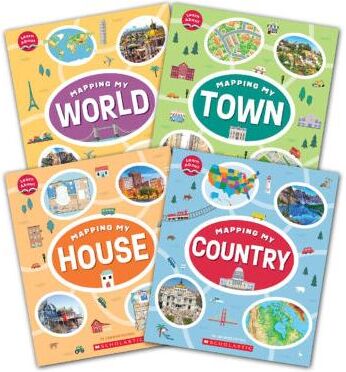
Learn About: Mapping Value Pack (paperback) - by Jeanette FerraraStarting from their bedroom, and moving to their home, street, neighborhood, town, state, country, continent, and finally, planet, children will gain a whole new understanding of their place in the world with this engaging picture book series. With...23,76 $*Shipping: 0,00 $Secure redirect to the provider
-
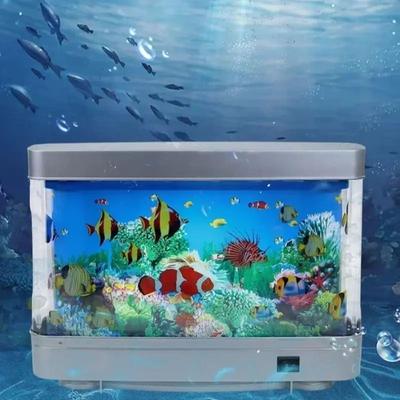
Uplift Essentials Serene Motion Virtual Aquarium Lamp Serene Motion Virtual Aquarium Lamp"Bring the soothing magic of the underwater world to your tabletop with the Serene Motion Virtual Aquarium Lamp. This highdefinition desktop aquarium decorative light uses advanced ""movingpicture"" technology to create a mesmerizing, continuous swim..."82,97 $*Shipping: 0,00 $Secure redirect to the provider
-
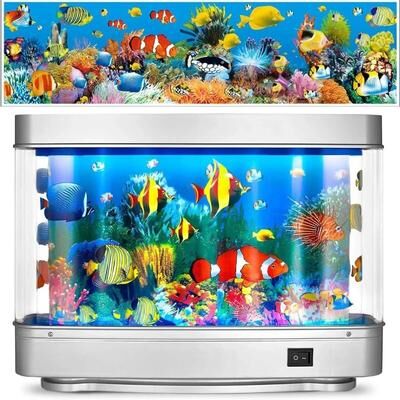
Uplift Essentials Virtual Motion Ocean Aquarium Lamp Virtual Motion Ocean Aquarium Lamp"Experience the tranquil beauty of the deep blue without the maintenance of a real tank with the Virtual Motion Ocean Aquarium Lamp. This creative decorative piece uses highdefinition ""moving picture"" technology to simulate a vibrant tropical reef,..."79,97 $*Shipping: 0,00 $Secure redirect to the provider
-
Garmin inReach Mini 3 Plus SOS Satellite Communicator.gadcet-pdp{--g-green:#00a651;color:#1f2430;line-height:1.55;font-size:inherit;max-width:760px}.gadcet-pdp>*:first-child{margin-top:0}.gadcet-pdp p{margin:0 0.9em}.gadcet-pdp h3{font-size:1.05em;font-weight:600;color:#11161f;margin:1.4em 0.5em;padding-left:.5em;border-left:3px solid var(--g-green);border-radius:0;line-height:1.3}.gadcet-pdp ul{list-style:none!important;margin:0 0.9em;padding:0!important}.gadcet-pdp ul li{position:relative;padding:.1em 0.1em 1.5em;margin:0}.gadcet-pdp ul li::before{content:"";position:absolute;left:.16em;top:.45em;width:.36em;height:.66em;border:solid var(--g-green);border-width:0.14em.14em 0;transform:rotate(45deg)}.gadcet-pdp table{width:100%;border-collapse:collapse;margin:.3em 0 1em;font-size:.95em;border:1px solid #e7e9ee!important;border-radius:8px;overflow:hidden}.gadcet-pdp table td{padding:.5em.8em;border-bottom:1px solid #eef0f4!important;vertical-align:top}.gadcet-pdp table tr:last-child td{border-bottom:0!important}.gadcet-pdp table tr:nth-child(even){background:#f7f9f8}.gadcet-pdp table td:first-child{font-weight:600;color:#454c59;width:40%}@media (max-width:600px){.gadcet-pdp table td:first-child{width:42%}} Stay reachable when your phone has no signal with the Garmin inReach Mini 3 Plus SOS Satellite Communicator — a compact, rugged device built for hiking, climbing, cycling, skiing, boating and remote travel beyond mobile coverage. Key Features Satellite communication for two-way text messaging where cellular networks can't reach Interactive SOS to the 24/7 Garmin Response emergency coordination centre Record and exchange voice messages up to 30 seconds long, with transcription for reading them as text Touchscreen texting up to 1,600 characters, with emojis, reactions and group chats Photo sharing over satellite via the Garmin Messenger app LiveTrack location sharing so family and friends can follow your progress, including distance, time and elevation TracBack routing to guide you back along your previous route Pair with the Garmin Explore app to plan trips, follow courses and view more detailed mapping Clear 1.9-inch colour touchscreen and voice-command control for quick check-ins and tracking Battery life of up to around 350 hours in 10-minute tracking mode Rugged IP67-rated housing — withstands incidental immersion in up to 1 metre of water for up to 30 minutes Lightweight at around 4.4oz / 125g, easy to clip to a pack or slip in a pocket Works with compatible Garmin watches and Edge cycling computers Benefits Keep in contact with family, friends or colleagues in remote areas with no mobile signal Get help fast with an interactive SOS and trained coordinators who can liaise with local emergency resources Explain conditions or plans quickly with voice messages instead of typing Let loved ones follow your adventure in real time for added peace of mind Navigate unfamiliar terrain confidently with TracBack and Garmin Explore Travel light without compromising on safety or battery life Specifications...438,98 £*Shipping: 0,00 £Secure redirect to the provider

-
What is the morphological species concept?
The morphological species concept defines a species based on its physical characteristics, such as size, shape, color, and other observable traits. According to this concept, individuals that share similar morphological features are considered to belong to the same species. This concept is often used in the field of taxonomy and is particularly useful when genetic data is not available or when studying fossils. However, it has limitations, as individuals within a species can exhibit variation in their physical traits, and convergent evolution can lead to similar morphologies in unrelated species. **
-
What are morphological, physiological, and anatomical adaptations?
Morphological adaptations refer to physical features or structures that have evolved to help an organism survive in its environment, such as the shape of a bird's beak for feeding. Physiological adaptations are changes in an organism's internal functions, such as the ability of certain animals to regulate body temperature in extreme environments. Anatomical adaptations involve changes in the internal structure of an organism, such as the presence of specialized organs or tissues for specific functions, like the gills of fish for breathing underwater. These adaptations all help organisms to better survive and thrive in their specific habitats. **
-
What does morphological mean, dear bio experts?
Morphological refers to the study of the form and structure of organisms, including their physical characteristics and how they are related to their function. In biology, morphological analysis involves examining the shape, size, and other external features of organisms to understand their evolutionary relationships, adaptations, and ecological roles. This can include studying the external appearance of an organism as well as its internal structures, such as organs and tissues. Overall, morphological analysis is an important tool for understanding the diversity and complexity of life on Earth. **
-
How to create a cladogram using morphological characteristics?
To create a cladogram using morphological characteristics, you first need to gather a group of organisms and identify their morphological traits, such as body shape, presence of certain structures, or other physical characteristics. Then, you need to compare these traits and determine which organisms share similar characteristics. Next, you can use a branching diagram to represent the evolutionary relationships between the organisms, with the most closely related organisms grouped together. Finally, you can use this diagram to construct a cladogram, which is a visual representation of the evolutionary history and relationships between the organisms based on their morphological characteristics. **
What problems could arise in biology if only morphological aspects are used for systematic classification?
If only morphological aspects are used for systematic classification in biology, several problems could arise. Firstly, morphological characteristics can be influenced by environmental factors, making it difficult to accurately classify organisms based solely on their physical appearance. Additionally, convergent evolution can result in different species developing similar morphological traits, leading to misclassification. Furthermore, the use of only morphological aspects may overlook genetic and evolutionary relationships between organisms, leading to an incomplete understanding of their evolutionary history and relationships. Therefore, a comprehensive approach that includes molecular, genetic, and ecological data alongside morphological aspects is essential for accurate systematic classification in biology. **
What would be the problem in this case considering the systematic classification solely based on morphological aspects?
The problem with relying solely on morphological aspects for systematic classification is that it may not accurately reflect the evolutionary relationships between organisms. Morphological similarities can arise due to convergent evolution, where unrelated organisms develop similar traits due to similar environmental pressures. This can lead to misclassification and inaccurate understanding of evolutionary history. Additionally, morphological traits can be influenced by environmental factors, making it difficult to distinguish between true genetic similarities and environmentally induced similarities. Therefore, a classification system based solely on morphological aspects may not provide a complete and accurate representation of the evolutionary relationships between organisms. **
Top-Angebote
Products related to Morphological:
-
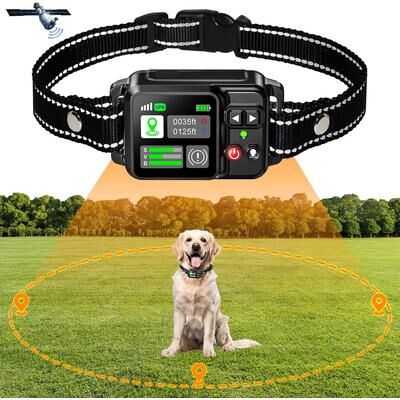
The Handy Homestead GPS Wireless Dog Fencing System Electric Pet Containment With Satellite Technology GPS Wireless Dog Fencing System Electric Pet Containment With Satellite TechnologyEnsure your dogs safety without the hassle of traditional fencing with our GPS dog fence system. Designed for pet owners who want a reliable, invisible barrier, this system uses advanced GPS Satellite Technology to create a customizable perimeter...109,97 $*Shipping: 0,00 $Secure redirect to the provider
-
PetsAreLife GPS Wireless Dog Fencing System, Electric Dog Fence With GPS Electric Satellite Technology, Electric Pet Fencing System GPS Wireless Dog Fencing System, Electric Dog Fence With GPS Electric Satellite Technology, Electric Pet Fencing SystemKeep your best friend safe, happy, and free to roamwithout ever worrying about escapes. Our GPS Wireless Dog Fencing System combines cuttingedge satellite positioning with reliable electric borders to give you complete control over your pets play...114,99 $*Shipping: 0,00 $Secure redirect to the provider
-
Learn About: Mapping Value Pack (paperback) - by Jeanette FerraraStarting from their bedroom, and moving to their home, street, neighborhood, town, state, country, continent, and finally, planet, children will gain a whole new understanding of their place in the world with this engaging picture book series. With...23,76 $*Shipping: 0,00 $Secure redirect to the provider
-
Uplift Essentials Serene Motion Virtual Aquarium Lamp Serene Motion Virtual Aquarium Lamp"Bring the soothing magic of the underwater world to your tabletop with the Serene Motion Virtual Aquarium Lamp. This highdefinition desktop aquarium decorative light uses advanced ""movingpicture"" technology to create a mesmerizing, continuous swim..."82,97 $*Shipping: 0,00 $Secure redirect to the provider
-
What is the simple explanation for anatomical morphological homology and anatomical morphological analogy?
Anatomical morphological homology refers to similarities in the structure of different organisms that are inherited from a common ancestor. These similarities are due to shared evolutionary history and can help scientists understand the relationships between different species. On the other hand, anatomical morphological analogy refers to similarities in structure between different organisms that are not due to shared ancestry but rather to similar environmental pressures leading to convergent evolution. This means that organisms develop similar traits independently in response to similar environmental challenges. **
-
What are functional and morphological adaptations?
Functional adaptations are changes in an organism's behavior or physiology that help it survive and reproduce in its environment. These adaptations can include things like camouflage, mimicry, or the ability to withstand extreme temperatures. Morphological adaptations, on the other hand, are physical changes in an organism's body structure that help it better perform certain functions. These adaptations can include things like the shape of a bird's beak for feeding, the size of a mammal's ears for hearing, or the coloration of an insect's wings for protection. **
-
What is the morphological species concept?
The morphological species concept defines a species based on its physical characteristics, such as size, shape, color, and other observable traits. According to this concept, individuals that share similar morphological features are considered to belong to the same species. This concept is often used in the field of taxonomy and is particularly useful when genetic data is not available or when studying fossils. However, it has limitations, as individuals within a species can exhibit variation in their physical traits, and convergent evolution can lead to similar morphologies in unrelated species. **
-
What are morphological, physiological, and anatomical adaptations?
Morphological adaptations refer to physical features or structures that have evolved to help an organism survive in its environment, such as the shape of a bird's beak for feeding. Physiological adaptations are changes in an organism's internal functions, such as the ability of certain animals to regulate body temperature in extreme environments. Anatomical adaptations involve changes in the internal structure of an organism, such as the presence of specialized organs or tissues for specific functions, like the gills of fish for breathing underwater. These adaptations all help organisms to better survive and thrive in their specific habitats. **
Similar search terms for Morphological
-
Uplift Essentials Virtual Motion Ocean Aquarium Lamp Virtual Motion Ocean Aquarium Lamp"Experience the tranquil beauty of the deep blue without the maintenance of a real tank with the Virtual Motion Ocean Aquarium Lamp. This creative decorative piece uses highdefinition ""moving picture"" technology to simulate a vibrant tropical reef,..."79,97 $*Shipping: 0,00 $Secure redirect to the provider
-
Garmin inReach Mini 3 Plus SOS Satellite Communicator.gadcet-pdp{--g-green:#00a651;color:#1f2430;line-height:1.55;font-size:inherit;max-width:760px}.gadcet-pdp>*:first-child{margin-top:0}.gadcet-pdp p{margin:0 0.9em}.gadcet-pdp h3{font-size:1.05em;font-weight:600;color:#11161f;margin:1.4em 0.5em;padding-left:.5em;border-left:3px solid var(--g-green);border-radius:0;line-height:1.3}.gadcet-pdp ul{list-style:none!important;margin:0 0.9em;padding:0!important}.gadcet-pdp ul li{position:relative;padding:.1em 0.1em 1.5em;margin:0}.gadcet-pdp ul li::before{content:"";position:absolute;left:.16em;top:.45em;width:.36em;height:.66em;border:solid var(--g-green);border-width:0.14em.14em 0;transform:rotate(45deg)}.gadcet-pdp table{width:100%;border-collapse:collapse;margin:.3em 0 1em;font-size:.95em;border:1px solid #e7e9ee!important;border-radius:8px;overflow:hidden}.gadcet-pdp table td{padding:.5em.8em;border-bottom:1px solid #eef0f4!important;vertical-align:top}.gadcet-pdp table tr:last-child td{border-bottom:0!important}.gadcet-pdp table tr:nth-child(even){background:#f7f9f8}.gadcet-pdp table td:first-child{font-weight:600;color:#454c59;width:40%}@media (max-width:600px){.gadcet-pdp table td:first-child{width:42%}} Stay reachable when your phone has no signal with the Garmin inReach Mini 3 Plus SOS Satellite Communicator — a compact, rugged device built for hiking, climbing, cycling, skiing, boating and remote travel beyond mobile coverage. Key Features Satellite communication for two-way text messaging where cellular networks can't reach Interactive SOS to the 24/7 Garmin Response emergency coordination centre Record and exchange voice messages up to 30 seconds long, with transcription for reading them as text Touchscreen texting up to 1,600 characters, with emojis, reactions and group chats Photo sharing over satellite via the Garmin Messenger app LiveTrack location sharing so family and friends can follow your progress, including distance, time and elevation TracBack routing to guide you back along your previous route Pair with the Garmin Explore app to plan trips, follow courses and view more detailed mapping Clear 1.9-inch colour touchscreen and voice-command control for quick check-ins and tracking Battery life of up to around 350 hours in 10-minute tracking mode Rugged IP67-rated housing — withstands incidental immersion in up to 1 metre of water for up to 30 minutes Lightweight at around 4.4oz / 125g, easy to clip to a pack or slip in a pocket Works with compatible Garmin watches and Edge cycling computers Benefits Keep in contact with family, friends or colleagues in remote areas with no mobile signal Get help fast with an interactive SOS and trained coordinators who can liaise with local emergency resources Explain conditions or plans quickly with voice messages instead of typing Let loved ones follow your adventure in real time for added peace of mind Navigate unfamiliar terrain confidently with TracBack and Garmin Explore Travel light without compromising on safety or battery life Specifications...438,98 £*Shipping: 0,00 £Secure redirect to the provider
-
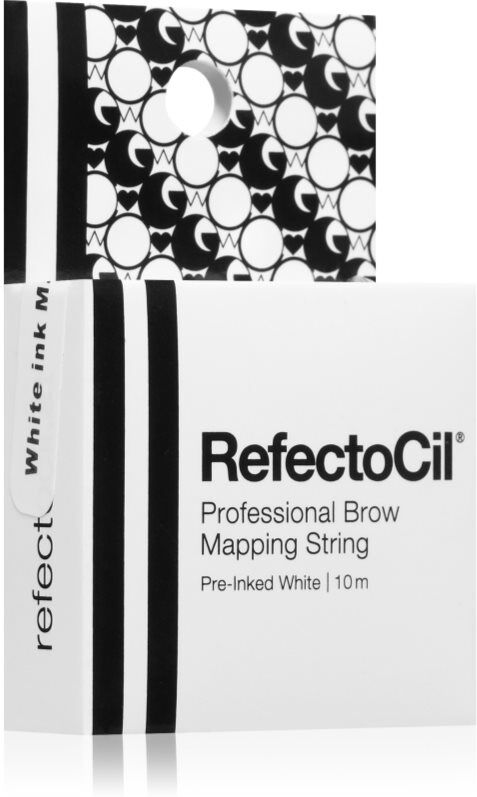
RefectoCil Professional Brow Mapping String stencils for eyebrows 10 mRefectoCil Professional Brow Mapping String, 10 m, Eyelash Care and Styling for Women, Nothing frames your face like perfectly shaped eyebrows. RefectoCil Professional Brow Mapping String will let you quickly shape your brows the way you like and tame unruly hairs. Simply put, it will help give your brows the desired shape, and underscore the natural beauty of your facial features. Characteristics: ideal for the area under and above your brows provides precise eyebrow styling in moments ensures professional results How to use: Use according to the instructions included.10,20 £*Shipping: 3,99 £Secure redirect to the provider
-
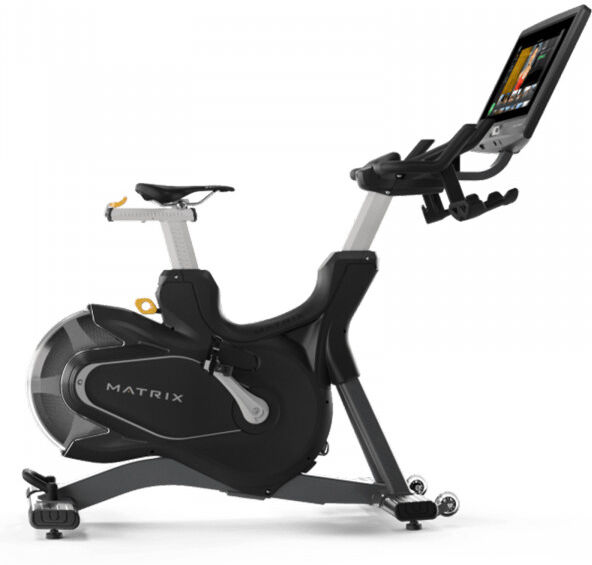
Matrix Virtual Training Cycle CXVTHE MATRIX VIRTUAL TRAINING CYCLE The Matrix Virtual Training Cycle is the purpose built bike for your cardio zone. Whether gym members are challenging themselves with exclusive workouts, enjoying streaming entertainment or taking on an immersive group class, the Virtual Training Cycle will...4794,00 £*Shipping: 0,00 £Secure redirect to the provider
-
What does morphological mean, dear bio experts?
Morphological refers to the study of the form and structure of organisms, including their physical characteristics and how they are related to their function. In biology, morphological analysis involves examining the shape, size, and other external features of organisms to understand their evolutionary relationships, adaptations, and ecological roles. This can include studying the external appearance of an organism as well as its internal structures, such as organs and tissues. Overall, morphological analysis is an important tool for understanding the diversity and complexity of life on Earth. **
-
How to create a cladogram using morphological characteristics?
To create a cladogram using morphological characteristics, you first need to gather a group of organisms and identify their morphological traits, such as body shape, presence of certain structures, or other physical characteristics. Then, you need to compare these traits and determine which organisms share similar characteristics. Next, you can use a branching diagram to represent the evolutionary relationships between the organisms, with the most closely related organisms grouped together. Finally, you can use this diagram to construct a cladogram, which is a visual representation of the evolutionary history and relationships between the organisms based on their morphological characteristics. **
-
What problems could arise in biology if only morphological aspects are used for systematic classification?
If only morphological aspects are used for systematic classification in biology, several problems could arise. Firstly, morphological characteristics can be influenced by environmental factors, making it difficult to accurately classify organisms based solely on their physical appearance. Additionally, convergent evolution can result in different species developing similar morphological traits, leading to misclassification. Furthermore, the use of only morphological aspects may overlook genetic and evolutionary relationships between organisms, leading to an incomplete understanding of their evolutionary history and relationships. Therefore, a comprehensive approach that includes molecular, genetic, and ecological data alongside morphological aspects is essential for accurate systematic classification in biology. **
-
What would be the problem in this case considering the systematic classification solely based on morphological aspects?
The problem with relying solely on morphological aspects for systematic classification is that it may not accurately reflect the evolutionary relationships between organisms. Morphological similarities can arise due to convergent evolution, where unrelated organisms develop similar traits due to similar environmental pressures. This can lead to misclassification and inaccurate understanding of evolutionary history. Additionally, morphological traits can be influenced by environmental factors, making it difficult to distinguish between true genetic similarities and environmentally induced similarities. Therefore, a classification system based solely on morphological aspects may not provide a complete and accurate representation of the evolutionary relationships between organisms. **
* All prices are inclusive of VAT and, if applicable, plus shipping costs. The offer information is based on the details provided by the respective shop and is updated through automated processes. Real-time updates do not occur, so deviations can occur in individual cases. ** Note: Parts of this content were created by AI.